April 22, 2026
Immigration law is a complex and ever-evolving system that shapes how individuals enter, live, work, and build their futures in a new country. From visa categories and government agencies to detailed application processes, navigating immigration requirements can feel overwhelming without the right guidance. Each step involves strict regulations, documentation, and timelines that must be followed carefully to avoid delays or denials.
Whether pursuing education, employment, or permanent residency, understanding the fundamentals of immigration law is essential for making informed decisions. By gaining clarity on how the system works, individuals can better prepare for the process and increase their chances of a successful outcome.
1. Overview of Immigration Law
Immigration law refers to national statutes, regulations, and legal precedents governing immigration into and deportation from a country. The scope of immigration law encompasses a wide range of issues related to citizenship, residency, and the temporary stay of individuals in a foreign country. Historically, immigration laws have evolved in response to global events such as wars, economic downturns, and international political agreements. The core objectives of these laws are to protect national interests while also fulfilling humanitarian obligations. Key governing bodies, like the U.S. Citizenship and Immigration Services (USCIS), play pivotal roles in executing these complex laws.
Immigration law has evolved significantly from its early stages to the complex system we see today. Historically, nations have had differing attitudes toward immigration, with some periods marked by open borders and others by strict control. For example, the United States saw major legislative changes in the 20th century, with laws like the Immigration and Nationality Act of 1965 that abolished previous quotas based on nationality. These changes reflect broader societal shifts toward diversity and equality. Additionally, global events such as World Wars and economic crises have played crucial roles in shaping the immigration policies of many countries.
In the United States, several key agencies govern immigration law, each with specific roles and responsibilities. The U.S. Citizenship and Immigration Services (USCIS) is primarily responsible for processing immigration applications, including visas and green cards. The Immigration and Customs Enforcement (ICE) handles the enforcement of immigration laws and the removal of individuals who violate them. The Department of Homeland Security (DHS) oversees these agencies and ensures they align with national security objectives. Understanding these agencies’ roles is crucial for anyone navigating the immigration process or advocating for reform.
Over the years, numerous acts and pieces of legislation have defined and redefined immigration law. The Immigration and Nationality Act (INA) of 1965 remains a cornerstone, removing biased quotas and enabling a more diverse immigrant population. Subsequent acts, such as the Immigration Reform and Control Act of 1986, have addressed various issues, including illegal immigration and employment eligibility. More recently, debates over acts like the Deferred Action for Childhood Arrivals (DACA) illustrate ongoing legislative battles. Each of these acts reflects the complex interplay between national interests, economic needs, and ethical considerations in shaping immigration policy.
2. Types of Visas and Entry Permits
The visa system is a cornerstone of immigration law, providing a legal framework for foreigners to enter, stay, and work in a country. Visas are typically categorized based on the purpose of entry, such as tourism, work, or study. Each type of visa comes with specific requirements and limitations, making understanding their nuances critical for prospective immigrants. Countries like the United States offer a wide range of visas categorized according to the applicants’ intentions and qualifications. The visa system reflects the complexity of immigration law, balancing the need for open borders with the imperative of national security.
Student and exchange visas are designed for individuals seeking education or cultural exchange opportunities abroad. In the U.S., visas such as the F-1 for students and the J-1 for exchange visitors provide pathways to study and participate in cultural programs. These visas typically require proof of enrollment and sometimes financial solvency, ensuring that students can sustain themselves during their stay. Such visas enable cross-cultural interaction and academic collaboration, benefiting both host countries and sending nations. Increasingly, these programs emphasize not only educational achievements but also personal development and mutual understanding among diverse cultures.
Work and employment-based visas are central to immigration law, facilitating the movement of skilled workers to fulfill labor market needs. Categories such as H-1B in the U.S. allow businesses to hire foreign professionals in specialized fields like IT, engineering, and healthcare. These visas are vital for economies, providing the requisite expertise often unavailable in local labor pools. However, they are also subject to quotas and caps, making the application process highly competitive. Policymakers continually debate these visa numbers, aiming to balance economic growth with the protection of local jobs.
Permanent residency, often represented by holding a green card in the U.S., allows individuals to live and work in a country indefinitely. According to Docket Wise, today, more than 14 million people in the U.S. hold green cards, underscoring the significant role they play in society. Green card holders enjoy many of the rights of citizens, including legal protection and the ability to sponsor family members for immigration. However, the path to permanent residency can be long and fraught with bureaucratic hurdles. Countries balance the benefits of permanent immigrants, such as economic contribution, with the challenges of integration and social cohesion.
3. The Immigration Process
Understanding the immigration process requires grasping its procedural and legal complexities. The process typically begins with an application for a visa, which involves meeting specific criteria and providing necessary documentation. Each visa category has its unique set of requirements, often including proof of financial stability or a job offer. Following the application, interviews, and additional screenings may be required, adding layers to the process. The culmination of this arduous journey, however, enables immigrants to legally enter a new country, starting a fresh chapter.
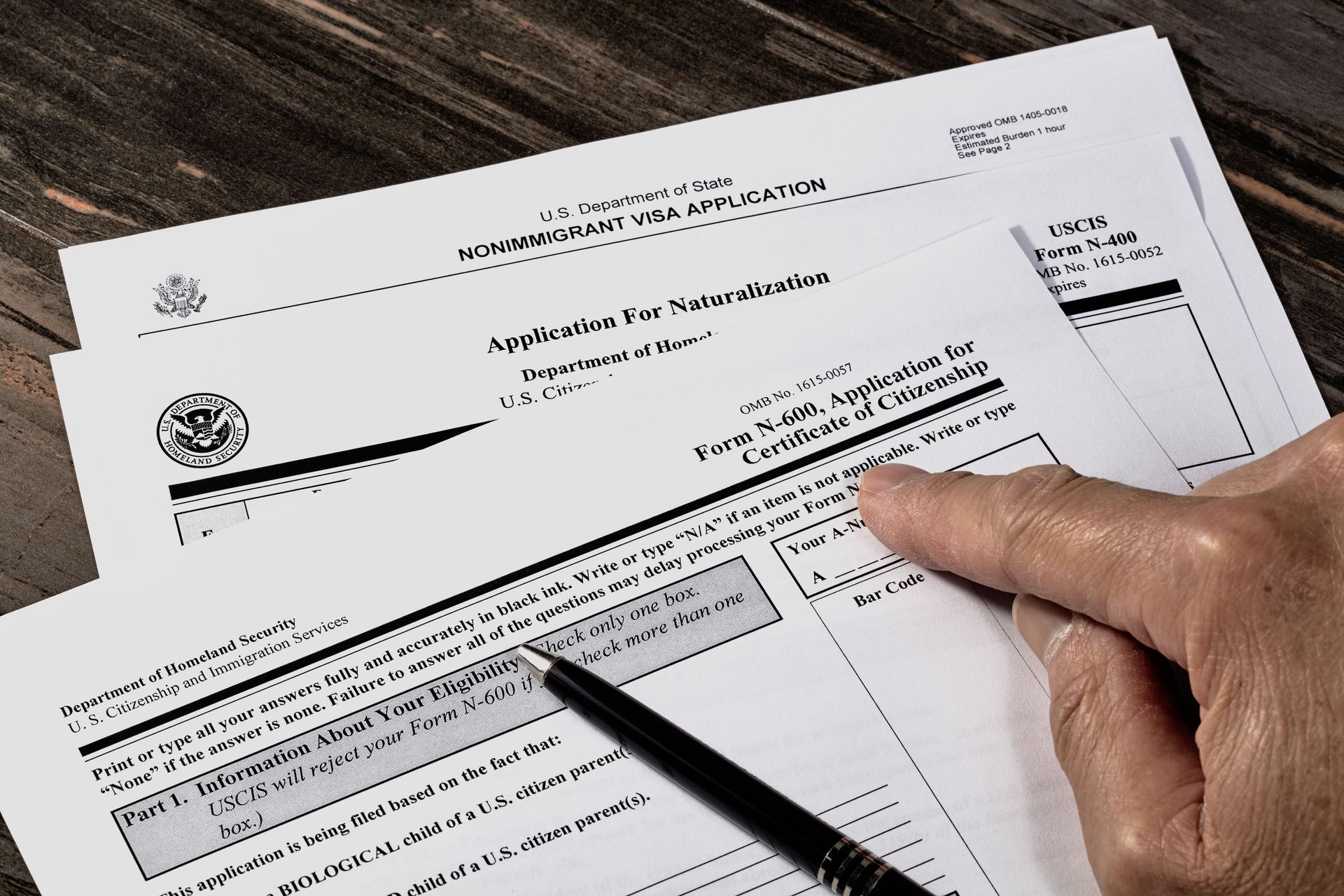
Applying for a visa is often the first step for immigrants intending to enter a foreign country. The process begins with determining which visa category best suits the applicant's purpose of entry, whether it be for work, study, or family reunification. Once the appropriate visa is identified, applicants must gather and submit various documents, such as identification, financial statements, and sometimes medical records. In many cases, securing a visa requires understanding the specific requirements, which may differ based on the applicant's country of origin. A successful application is crucial for legal entry, influencing opportunities and future plans.
Visa interviews and documentation play critical roles in the immigration process, often determining an applicant's success in obtaining entry permissions. Interviews provide a platform for consular officials to verify the applicant's intentions and eligibility, focusing on aspects such as previous travel, employment, and ties to the home country. During this stage, a lack of proper documentation or inconsistencies can lead to delays or denial. Additionally, the paperwork required may include letters of invitation, proof of accommodation, and financial guarantees. Meticulous preparation is crucial, as it affects not only the outcome but also the applicant's future opportunities.
As immigration policies continue to evolve in response to economic, political, and global factors, staying informed is more important than ever. Applicants who take the time to understand their options and obligations are better equipped to make confident decisions about their future. Whether the goal is temporary entry, long-term employment, or permanent residency, a well-prepared approach can significantly improve the likelihood of success.
If you’re planning to start your immigration journey, consult Miklosovic Law, LLC today to ensure your application is accurate, complete, and positioned for success.